Health Resources for Educators

Middle-level health knowledge, teaching activities, assessment tools, and additional resources to support health literacy.

Health page banner

Knowledge Base

Foundations, health practices, scoring guides, and national standards.

Knowledge Base

Human identity, anatomy, development, safety, disease, and treatment.

  • Knowledge base as concepts for - Human identity; Anatomy & basic functions of life, growth, & development; Health: disease & treatment, safety & hazards

Activities

Teaching and learning activities for health literacy. Related activities are grouped together while their original supporting links and explanations are retained.

Introduction

Interest survey and introductory lessons on health, risks, and wellness.

Mental and Emotional Health

Activities, goal setting, emotional health, stress, and coping.

Social Health Relationships

Relationships, communication, and social skills.

Nutrition and Physical Health

Nutrition, fitness, investigations, and personal health.

Human Anatomy

Body systems, anatomy, genetics, and supporting study resources.

Cell Facts

  • Less than half of all the cells in our bodies are human cells.
  • The human microbiome: A human body has trillions of non-human microbial cells, including bacteria, fungi, and viruses!
  • The changing body: Not a single atom in your body was there when you were a child.

Medicine and Drug Use

Medicine, drug use, decision-making scenarios, and medical role plays.

Environmental Health

Environmental interactions, decisions, health, and sustainability.

Health note: Ocean and oxygen

Oxygen in every other breath we breathe, comes from the ocean.

Resources

Alcohol, Drugs, & Cannabis

  • University of Notre Dame student health - Your body & alcohol, blood alcohol concentration, absorption rate factors, drink equivalencies, what is intoxication, alcohol poisoning, secondhand effects, how to help your friends, & alcohol & energy drinks
  • Common Sense Media site page It's tougher than ever to limit kids' & adolescents exposure to alcohol, drugs, smoking and vapping in the media. This site includes advice, and videos to help you discover appropriate ideas, in five different age groups, with suggestions on how to influence them, and how to prevent kids from starting harmful habits. Specific informatin includes: interactive alcohol ads, smoking marketing, & vaping videos, and information on how popular shows glorify drug use.
  • Presidents of the United States: An Examination of Alcohol Consumption

Cannabis

Alzheimer disease

Body image & Body Language resources

  • 1st Dove evolution video - Original video of behind the scenes of image manipulation that spreads unattainable standards of beauty. (1:16)
  • Image sketches - explores how we perceive ourselves & other people perceive us. (3:00 mins)
  • Image sketches from mother's and daughter's perspectives. (2:58 mins)
  • Body image evoution timelapse video of photoshopping of a model's body. (1:11mins)
  • Sex, gender, & body image - Common Sense Media site page with information on sex, gender, and body image.
  • Salomon & Brown found 11-14 year old teens who posted more pictures on social media had a greater awarness of their appearance and a more negative perception of their body. The Selfie Generation. The Journal of Early Adolescence. 2018
  • Body language - TED talk.Your body language shapes who you are. by Amy Cuddy. Includes information on body language, nonverbal communication, & power poses. Amy describes examples supported by research for the effects of powerful and low power body language on the judgement & consequences of interactions with others and the health effects on the body: changes in testosterone & cortisol amounts. 2012, (21:02).

Careers

  • Job Monkey web site: search types of jobs to discover job descriptions, including education requirements, job responsibilities, salary information, benefits, training, and other related facts about thousands of jobs. Search medical, fitness, health, nutrition, yoga, message, and other categories to find careers for your future. Part-time jobs, full-time jobs, or jobs that let you travel. Discover wealth of information here.

Conflict resolution

Culture and Stereotype Ideas

Decision Making, Critical Thinking, and Change Processes

Disabilities and Health

Explore disability, accessibility, health, and the many ways people participate in everyday activities, sports, and their communities.
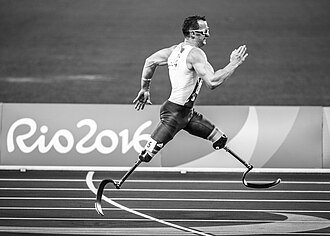
Runner with a prosthetic leg competing at the Rio 2016 Paralympics

CDC — Disability and Health

Learn about disability, health, accessibility, and participation in everyday life.

Photo: Pexels · CC0 1.0 · Wikimedia Commons
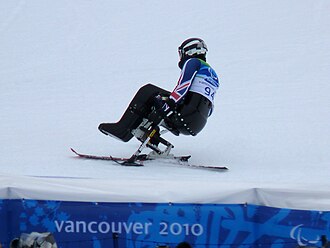
Talan Skeels-Piggins competing in sitting alpine skiing at the 2010 Winter Paralympics

U.S. Paralympic Educational Hub

Explore Paralympic sports, athlete classification, and misconceptions about disabilities.

Photo: Matt Boulton (Mafue) · CC BY-SA 2.0 · Wikimedia Commons
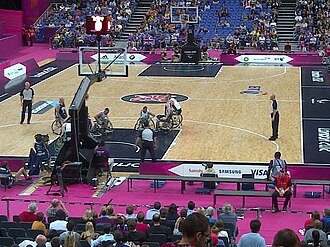
Athletes competing in wheelchair basketball at the 2012 Paralympics

International Paralympic Committee — Athletes

Discover Paralympic athletes, their sports, biographies, and achievements.

Photo: Ben Sutherland · CC BY 2.0 · Wikimedia Commons

Fat & muscle representation

Representation of fat and muscle

Glenco Health resources

Health in the news: Blood donation and hemochromatosis

Giving blood or being a fan? 2009 - Milwaukee, WI

Eighty year old Jim Becker's road to becoming the 12th member of the Green Bay Packers Fan Hall of Fame started in 1952. Married with 11 children he didn't feel his family could spare the money for Packer tickets. When he found a pint of blood sold for $15.00, he decided to give blood four times a year and use the money to buy tickets for all the home games.

In 1970 Jim was diagnosed with hemochromatosis - a blood disorder that results in a large amount of iron in the bloodstream. The treatment: is to frequently donate blood. Doctors told Jim his blood donations were a stroke of genius that probably saved his life. Jim's father died as a result of hemochromatosis when he was only 43 years old. Makes one wonder if going to the games or becoming healthy urged Jim to give blood. Maybe both.

Health related organizations

U.S Food and Drug Administration

World Health Organization

Centers for Disease Control and Prevention

Nutrition & Physical Fitness resources

  • CDC site with: Information on disease: graphic novels, database, activities... Recipes for good nutrition; Physical activity set up your own fitness calendar, access activity cards for activities from ballet to yoga; Advice for safety, yourlife, and your body. You can even take a quiz that will help you find out which activities will best suit your personality.
  • Choose My Plate app - developed by the U.S. Department of Agriculture to improve nutrition and well-being of Americans. Learn food facts and ways to create a healthy diet. Has a super tracker to look up nutritional information, track your food, and physical activity. the Mix Eat Smart & Ex Replaces the Food Pyramid.
  • Circus Fit: Regiser for access to lesson plans with videos to set fitness goals, tips for warm-ups, exercises, and healthy eating. Then pick your action, props, and time in the Crazy Clown College Challenge and activity challenges for jump rope, juggling...
  • Edible School Yard Organization: The Edible Schoolyard Network connects educators around the world to build and share a K-12 edible education curriculum.
  • Orienteering organization combines map reading and decision making with a walk outdoors. Team events in the United States, Education link to find out how it's done and start a program or club at your school. See plans for teaching cartography and orienteering.
  • PBS Web site. Site isn't very organized. Need to search for different shows, includes: some clips (couldn't get them to stream, transcripts, tip sheets, and and where to order videos. Pricey. Maybe available through Local PBS, need to check it out. Great variety of diverse health issues beyond eating and exercise. Could be valuable source.
  • The President's Challenge, a program to encourage all Americans to make being active a part of their everyday lives. A .pdf file with information to motivate people to improve your health.
  • The Virtual Sports Injury Clinic includes a comprehensive overview of common injuries. Click on the muscle area in the graphic or use the menu to find a description of symptoms. Then read the first-aid steps, view video clips, and find out when to see a medical provider or specialist for treatment
  • Sport psychology

Online, internet, web safety, & web literay information

Sex and Reproduction Education

  • Sex and reproduction education on the internet Laci Green

Vaccine & vaccination fact sheet

Flu Vaccine

  • Flu Vaccine - How It Works and Why It’s a MUST Thing to Do

Vocabulary

Vocabulary is a major component of learning and understanding, particularly about the body and health issues. The following resources can assist in vocabulary learning.

Zika - Public health resources:

Resources on Zika

Back to top